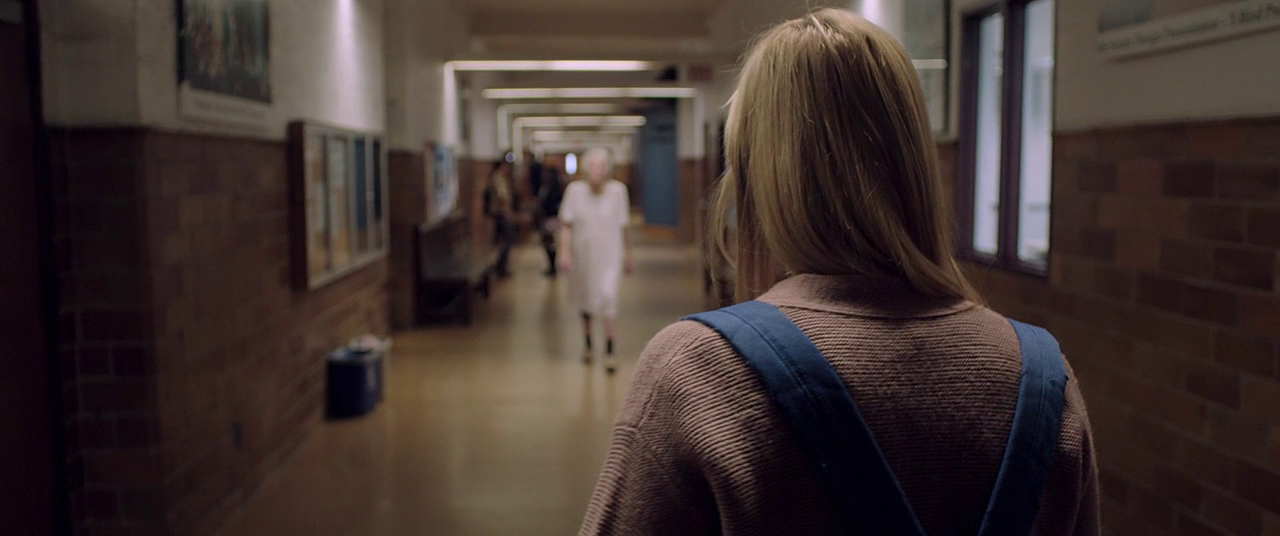
 Remember the Scream movies? What was billed at the time as a series of knowing, witty take-downs of the slasher film genre, full of self-referential jokes and a spiralling plotline of ludicrously solemn fatalism, now looks like an arrogant attempt to speak on behalf of a genre and a generation, a nauseating spectacle that managed to pander to and sneer at its target audience in equal measure. David Robert Mitchell’s It Follows similarly tackles genre tropes, but without snarky citations. Instead, it sets out an intriguing premise (a slow-moving demon-thing, in multiple human forms, ceaselessly pursues any individual carrying its sexually transmitted curse, which can only be passed on to another person through sexual intercourse), and sticks to it. The film builds a distinctive atmosphere, bathes it in a throbbing, nagging electronic score, and never punctures the mood with the leavening hijinks that are routinely wedged into anything aimed at a teenaged audience. And since movies so rarely frighten me, I’m always happy to admit when it happens: It Follows is really scary. It has a plot like a ghost story told at an unusually mean-spirited sleepover, the sombre tone of a classmate’s funeral, and it lingers in the mind like a malicious rumour.
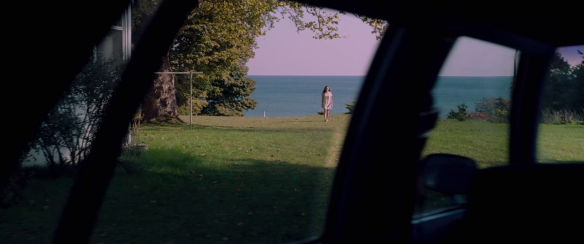 So, while the Scream films had their cake and stabbed it in the neck by both mocking the silliness of teenagers in horror films and marshalling a cast of very silly teenagers, It Follows has a real feeling for its protagonists’ anxieties. While Scream (you can probably tell I hate those movies, and this is, I promise the last time I’ll use them as a strawman, or even mention them at all…) wrote out the “final girl” trope in big crayons, because it just seemed, like, totally stoopid that horror films should enshrine psychosexual terrors in popular culture, It Follows takes the trope seriously: if slasher movies have traditionally punished the promiscuous and heroised the virginal, this is one film that wants not to mock but to find out why. It takes the stigma and anxiety of teen sexuality and blows it up to a full-on horror trope in its own right. Of course, plenty of horror movies are about teen sex and the punishments that come to its practitioners from primitively moral killers. But It Follows reifies that sexuality into a deathly contagion: victims are confronted with a lethal double standard, sex is what gives them the curse, but also what staves it off.
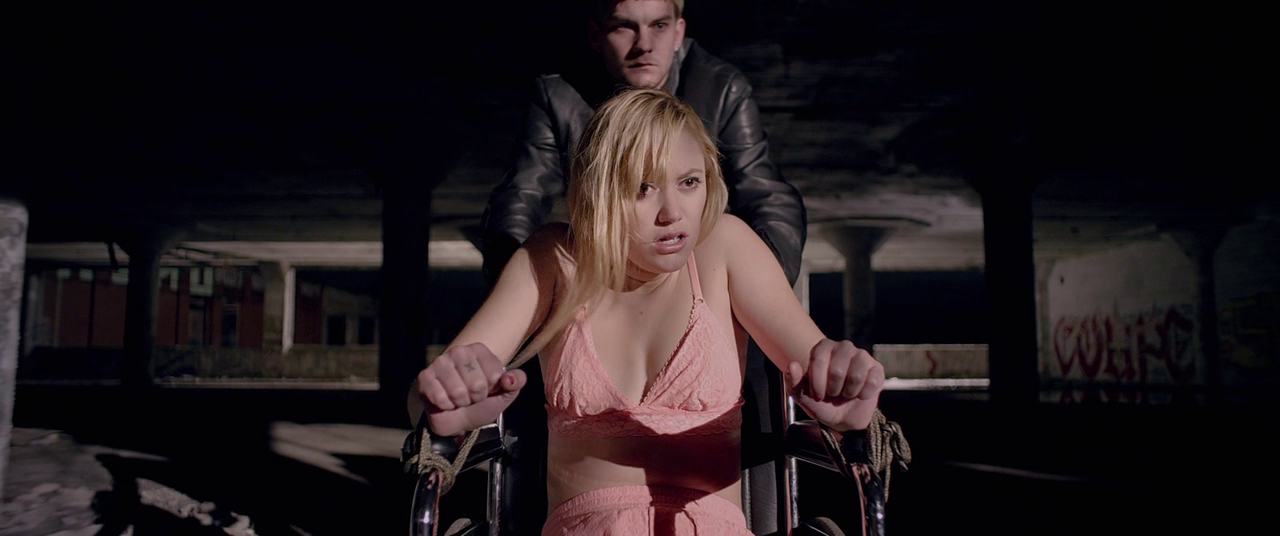
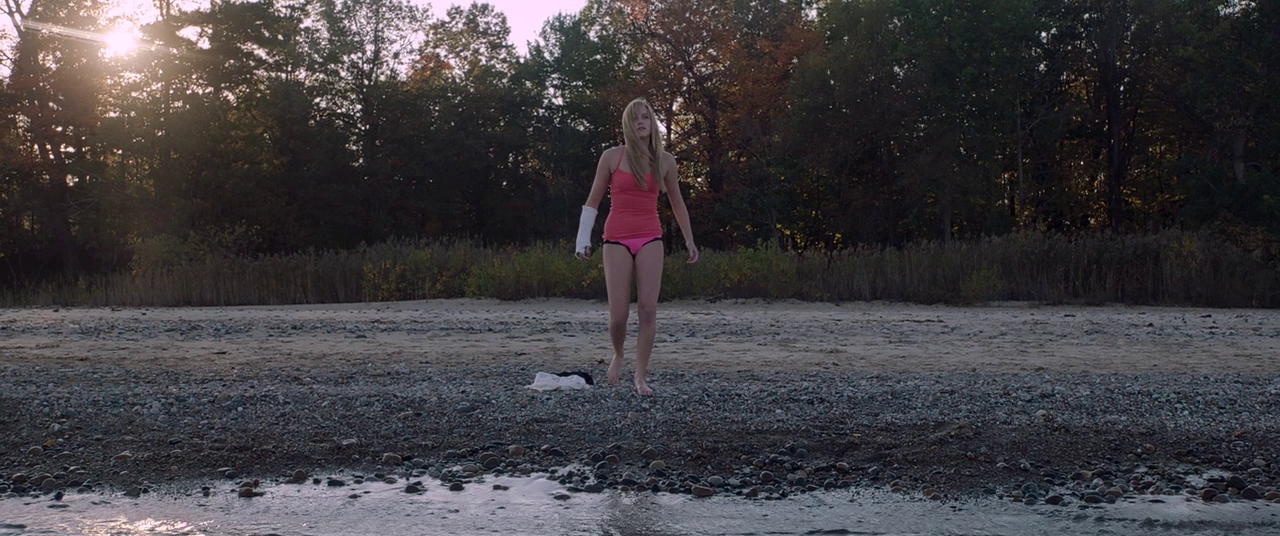
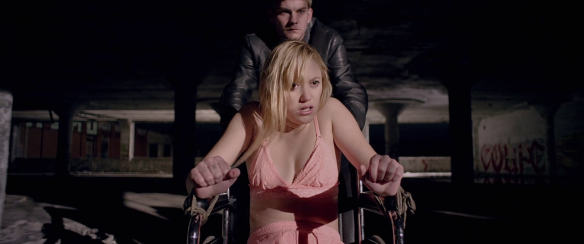 A lesser horror film would have made easy mistakes: creating some ancient mystical motivation for the curse; featuring parents or other authority figures; wisecracking sidekicks; pop soundtrack. It Follows creates an atmosphere and then maintains it, without undercutting or subverting the tension. There’s a close-quarters sensuality to many shots that puts us right next to our central subject, Jay Height (Maika Monroe).


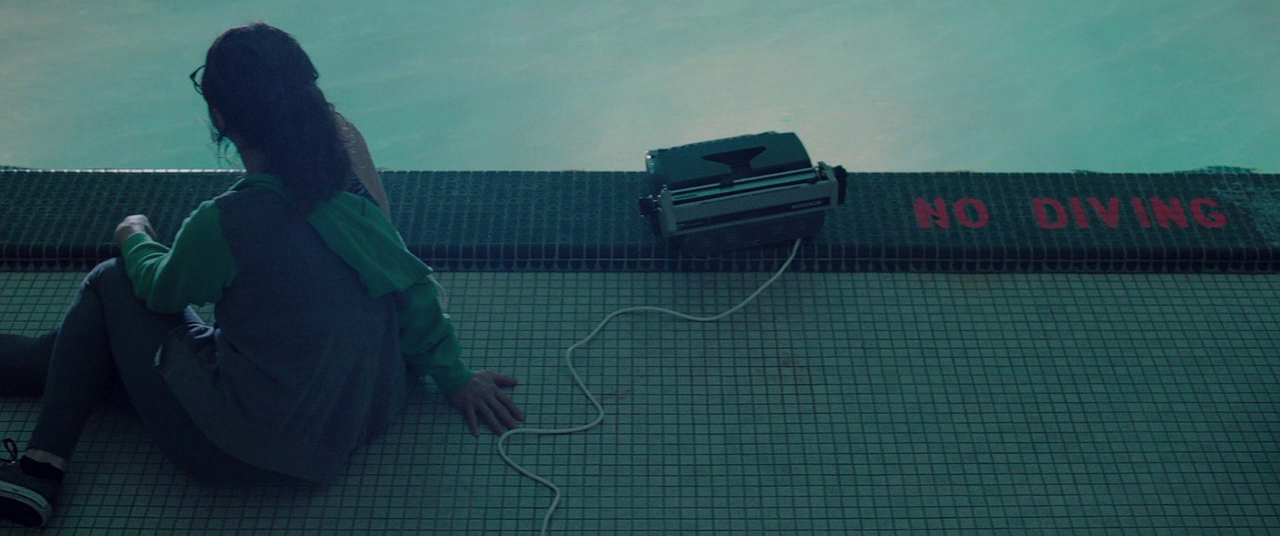
 Note, for instance, the early scene where she observes the critters from her backyard swimming pool, and makes the easy decision to drown an ant on her arm: hands are prominent in many shots, too, a poignant rendering of a world both perceived through, and jeopardised by, the necessity of touch. This is not an unusual neorealist technique to create a sense of immediacy, but it is absolutely the right choice for this film: aligning us with Kelly makes it all the more frightening, since whatever is coming for her must also be coming for us, and we don’t get to observe her from a safe distance. We scan the environment for approaching death just as she does, and the often shallow focus frustrates that task; rarely has often screen space been so actively weighted with dread.
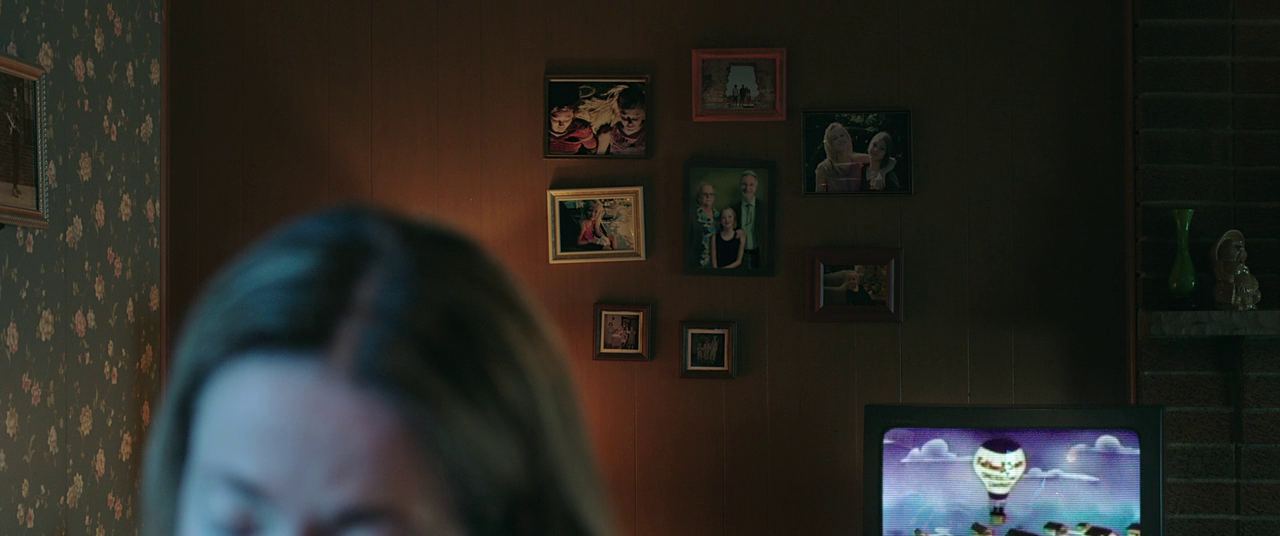
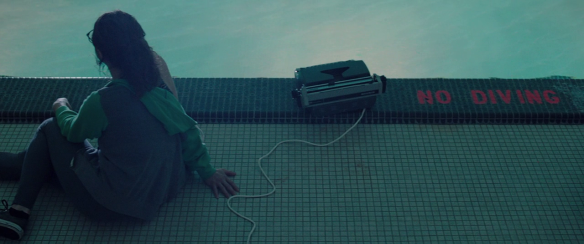 One strange aspect of the film is its placement in time. Musically and thematically, it’s in conversation with the 1980s. The TV screens seems to show only 1950s science fiction B-movies. This is probably a deliberate strategy to avoid pinning the film down to a specific temporal location, but it also shows us how genres cyclically (50s, 80s, now) latch onto the things they find unnerving (commies/conformity, sex/knives, sex/intimacy). It does mean that a film that clearly wants to talk about young people now, is devoid of the iconography of social media. And yet, it is fundamentally a film about sharing.

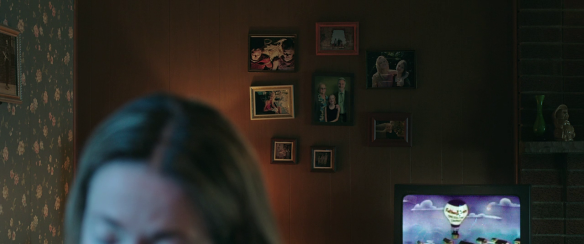 Probably more profound than the film’s metaphor of sexual stigma as a killer curse is the way characters react to the threat, by having sex in order to share their fear. For some in this film, without giving too much away, knowing a potential partner is scared is an opportunity to exploit their sexuality, while others have an altruistic wish to take on the curse on behalf of a friend. But it’s a complicated picture, and ends with a couple unsure of what they’ve done or how scared they should be, anxious that everybody be as cursed as they are, and knowing that they can never be free, just threatened together. It’s a film not about why we hide our shame, but about why we find security in sharing it with someone, anyone else.



 I’m an avowed


 All Pixar movies are comedies of exile. Invariably, we are introduced to a place of equilibrium, an ordered system which is thrown into chaos when several of its members are expelled or ejected. Their return journey is a learning experience for both the exiled, who must develop skills beyond the routines learned inside the ordered system, and those left behind, who must cope with loss, failure, and who must help to reconstruct the system in a new and better image.


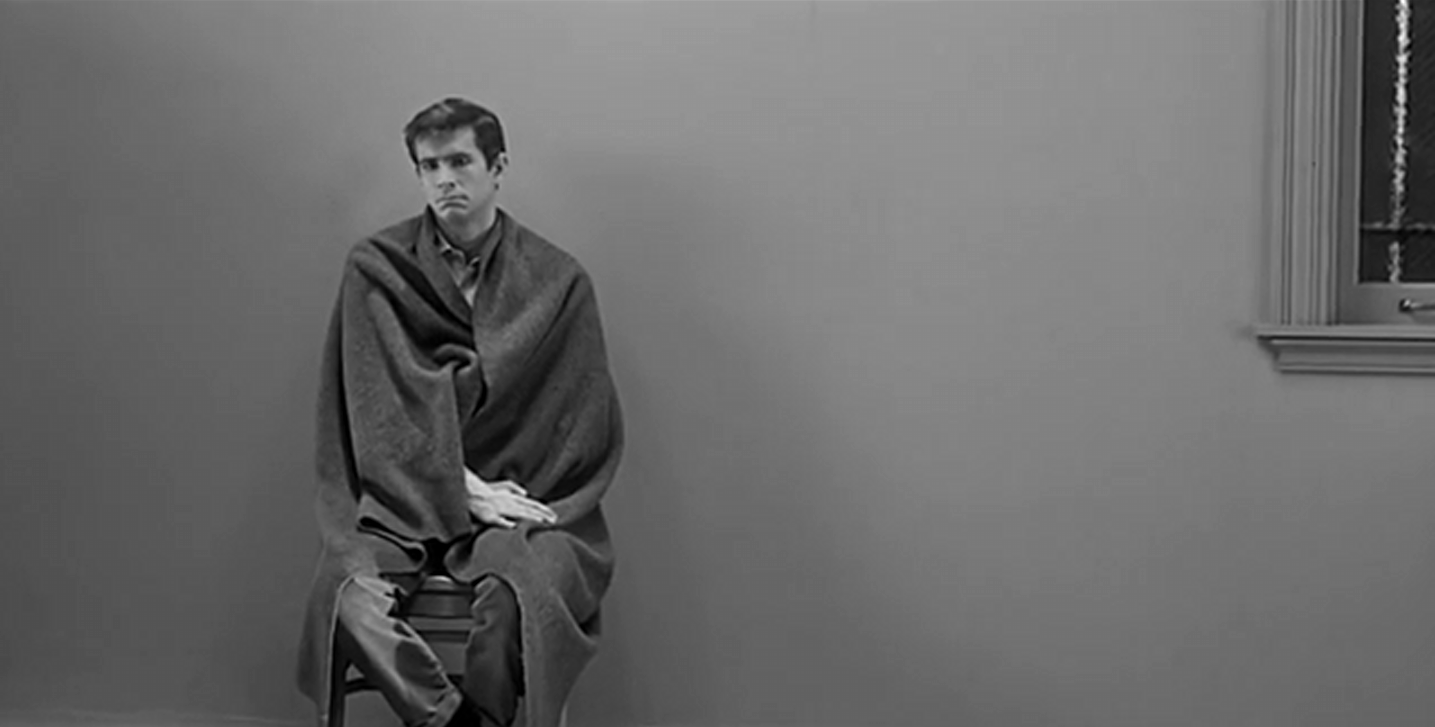
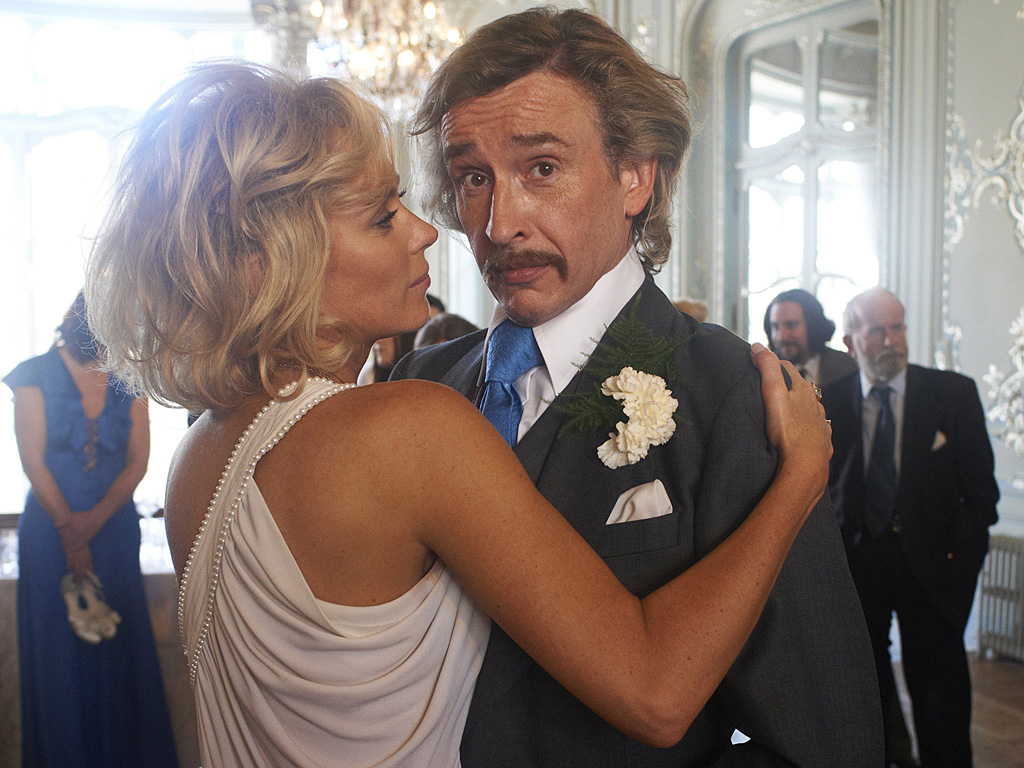
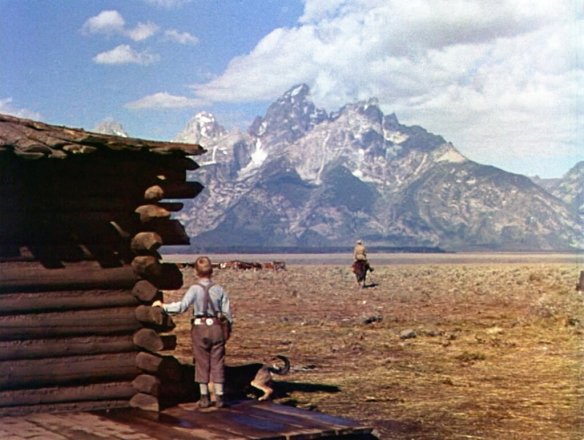 Shane (George Stevens, 1953) contains some magnificently off-kilter action scenes, fast-cut punch-up montages such as the sequence where Alan Ladd and Van Helflin brawl in a farmyard of panicking animals, and the mountains of Wyoming look incredible, but day by day, it gets harder for me to watch the long, slow build-up towards heroic, retributive and cathartic gun violence.






 Spectacular Attractions